Gloves vs Braces for Carpal Tunnel: Match the Tool to the Symptom
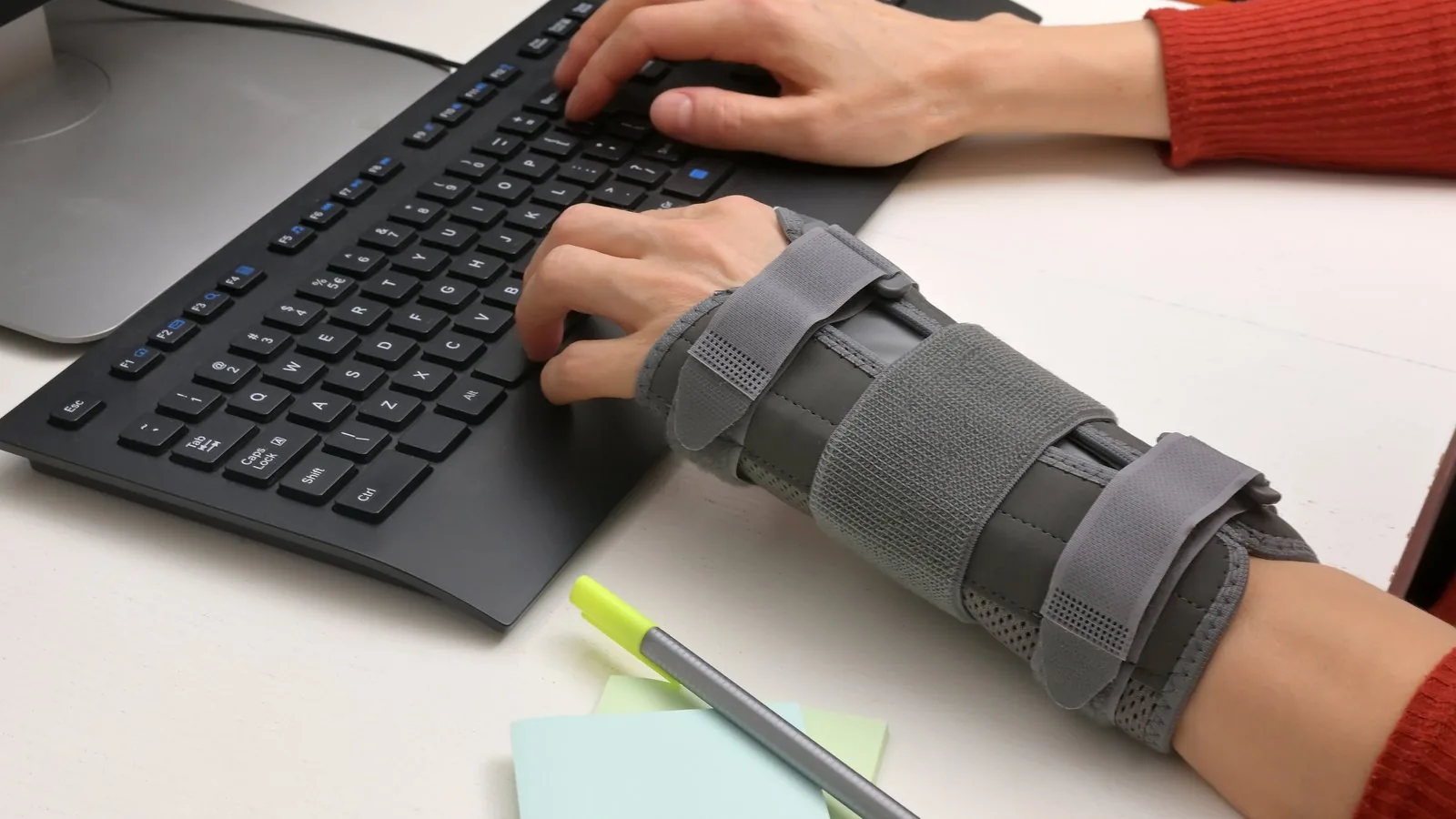
People use "carpal tunnel glove," "wrist brace," "splint," and "wrist stabilizer" almost interchangeably, and the products get sold that way too. They are not interchangeable. They work on different mechanisms, and the evidence behind them is very different. Buying one when you need the other is what we call the Wrong Tool Problem, and it's the single most common reason people conclude "nothing works" after months of wearing the wrong product. Here's the clean way to think about it.
The Core Difference
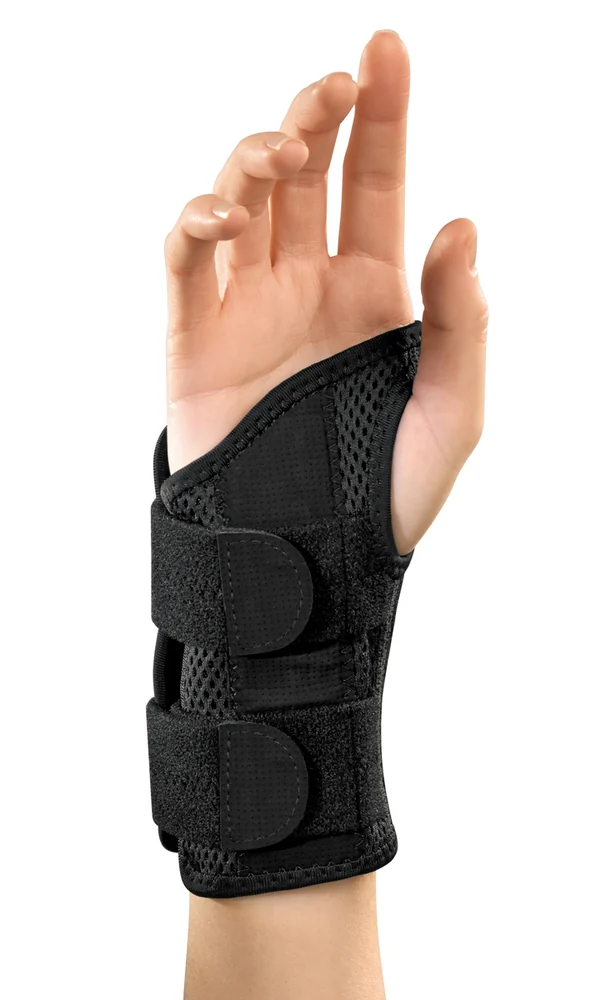
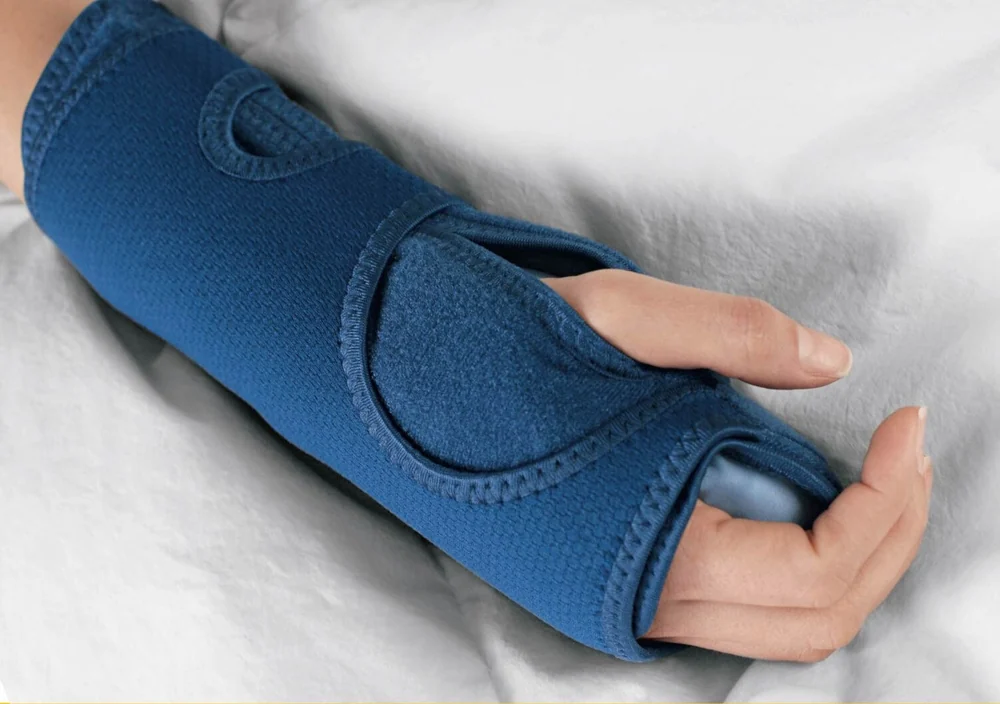
A brace or splint (stabilizer means the same thing) controls wrist position. A rigid stay keeps the wrist neutral, and a neutral wrist minimizes pressure inside the carpal tunnel where the median nerve runs. This targets the actual mechanism of carpal tunnel syndrome, and night splinting has randomized trial support: roughly triple the odds of improvement after four weeks versus no treatment.
A compression glove applies gentle pressure to the hand. Pressure may ease aching, stiffness, and swelling, which is why gloves have a following among arthritis sufferers. But squeezing a hand does not decompress a nerve. No solid study shows compression gloves treat carpal tunnel syndrome itself, and one small study found overnight compression made bilateral carpal tunnel symptoms worse in most patients.
Match Your Symptom
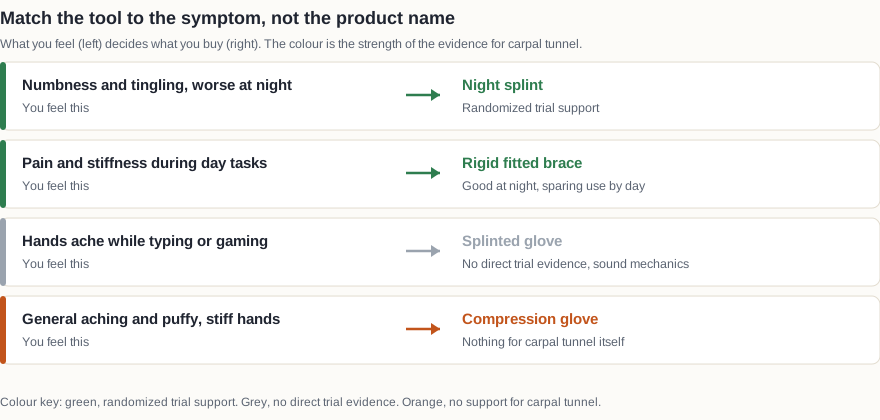

| Your main symptom | Buy this | Why |
|---|---|---|
| Waking at night with numb, tingling hands | Night splint | Strongest evidence of anything on this site |
| Numbness or tingling during the day | Neutral brace like the Mueller for flare-ups | Position control, worn as needed |
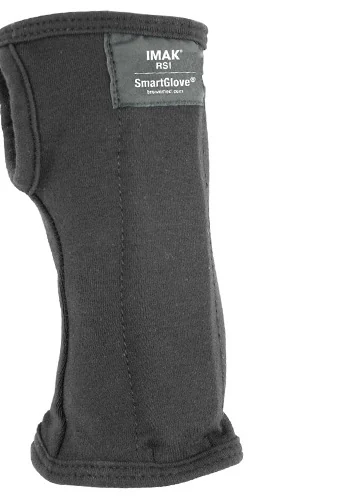
| Pain while typing or gaming | IMAK SmartGlove plus a desk fix | Flexible support you can work in |
| Aching, stiff, swollen hands after use | Compression gloves | Mixed evidence, but this is their best use case |
| Constant numbness, weak grip, dropping things | Neither | See a doctor. This can be advanced nerve compression |
Can You Use Both?
Yes, and it's a sensible split: splint at night, glove during the day. The splint does the evidence-backed work while you sleep. The glove makes daytime hand use more comfortable and keeps you from resting your wrist bones on a desk edge. What you should not do is wear a rigid brace all day long for weeks. Night-only splinting performed about as well as full-time wear in studies, and your hand needs normal movement to keep muscles working.
The Honest Bottom Line
If you have actual carpal tunnel symptoms, numbness and tingling in the thumb through ring finger, the brace category earns the first dollar every time, and specifically a night splint. Gloves are a comfort product with a real but narrower job: aching and swelling. Buy accordingly, and give either one three to four weeks of honest use before judging.